
How Many Liters Water Intake Should You Drink a 1 Day?
Water is essential for our body to function properly. Staying hydrated helps with digestion, brain function, temperature regulation, and overall health. But how much water should you drink in a day? The answer depends on several factors, including age, weight, activity level, and climate.
General Water Intake Recommendations
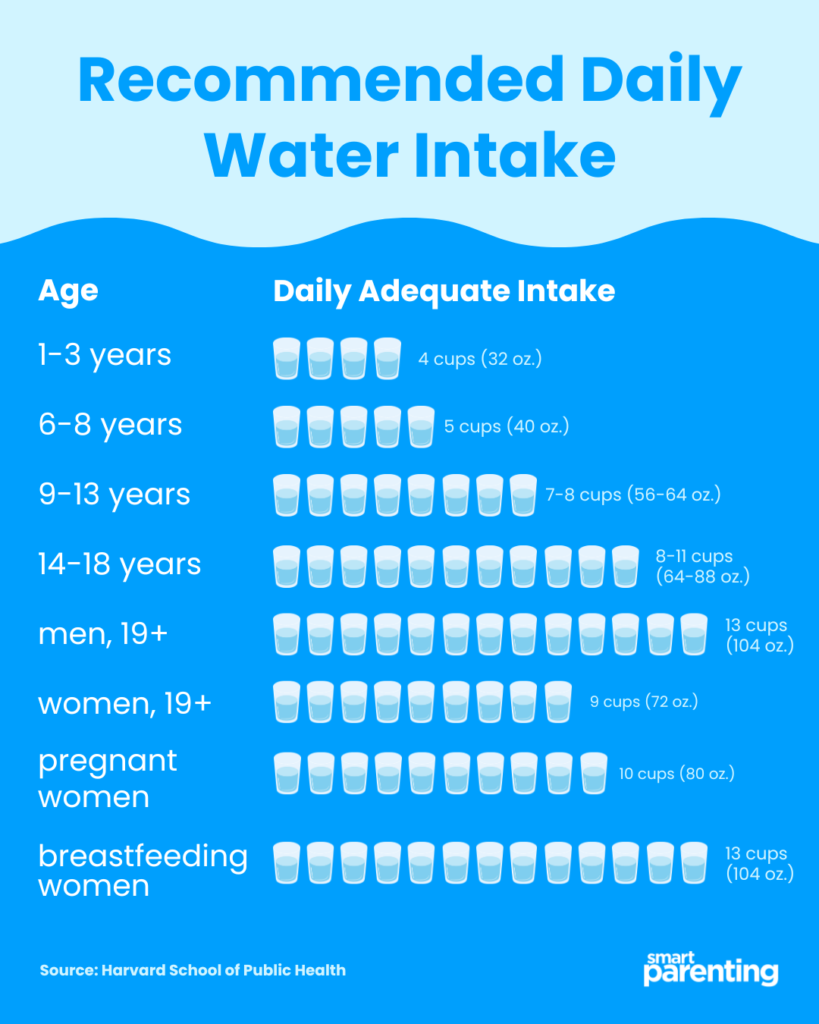
Health experts often suggest the “8×8 rule”, which means drinking eight 8-ounce glasses of water per day (about 2 liters or half a gallon). However, individual water needs may vary. The National Academies of Sciences, Engineering, and Medicine recommend:
Men: About 3.7 liters (125 ounces) per day
Women: About 2.7 liters (91 ounces) per day
This includes all fluids from drinks and foods, not just plain water.
How Many Water Bottles Should You Drink?
Since most standard water bottles hold 16-20 ounces (500-600ml) of water, here’s a breakdown of how many bottles you need daily:
For Men: 6-8 bottles (based on 16oz bottles)
For Women: 4-6 bottles (based on 16oz bottles)
If your bottle size is different, you can calculate accordingly:
12oz bottle → Need 8-10 bottles
24oz bottle → Need 4-6 bottles
32oz bottle → Need 3-4 bottles
Factors That Affect Water Intake Needs
1. Physical Activity
If you exercise regularly, your body loses more water through sweat.
Drink an extra 1-2 bottles (16-32 oz) for every hour of physical activity.
2. Climate and Weather
In hot and humid climates, you sweat more, requiring extra hydration.
In cold weather, you may feel less thirsty but still need water.
3. Body Weight
A general rule is to drink half your body weight in ounces.
Example: If you weigh 160 pounds, aim for 80 ounces (5 water bottles) daily.
4. Pregnancy and Breastfeeding
Pregnant women should drink about 2.7-3 liters (91-100 ounces) daily.
Breastfeeding women need an extra 16 ounces (1 bottle) per day.
5. Health Conditions and Medications
Certain medical conditions like kidney stones or urinary infections require higher water intake.
Some medications may increase dehydration risk, requiring more fluids.
Benefits of Drinking Enough Water
1. Improves Brain Function and Mood
Even mild dehydration can lead to headaches, fatigue, and difficulty concentrating. Staying hydrated improves focus and reduces stress.
2. Boosts Digestion and Metabolism
Drinking water helps with digestion, preventing constipation. It also boosts metabolism and supports weight loss by reducing appetite.
3. Supports Heart and Kidney Health
Proper hydration maintains blood pressure, prevents kidney stones, and supports healthy kidney function.
4. Enhances Physical Performance
Dehydration can lead to muscle cramps and fatigue. Drinking enough water helps maintain energy levels during exercise.
5. Regulates Body Temperature
Water helps cool your body down through sweating and maintains internal body temperature balance.
Signs of Dehydration
If you don’t drink enough water, you may experience:
Dry mouth and lips
Dark yellow urine
Dizziness and headaches
Fatigue and irritability
Muscle cramps
Tips to Stay Hydrated
Carry a Reusable Water Bottle – Keep it with you at all times.
Set Hydration Reminders – Use apps or alarms to remind you to drink water.
Drink Before Meals – Helps with digestion and weight management.
Flavor Your Water – Add lemon, cucumber, or mint for a refreshing taste.
Eat Hydrating Foods – Watermelon, cucumbers, oranges, and soups add extra hydration.
Monitor Urine Color – Light yellow means you’re well-hydrated.
Conclusion
The amount of water you need varies based on lifestyle, climate, and health. Aiming for at least 4-8 bottles per day is a great way to stay hydrated. Listen to your body, drink regularly, and enjoy the benefits of proper hydration!
Frequently Asked Questions About Water Intake
1. Can I drink too much water?
Yes, drinking excessive amounts of water can lead to water intoxication (hyponatremia), where the balance of electrolytes in your body is disrupted.
2. Does coffee or tea count towards my daily water intake?
Yes, beverages like coffee, tea, and milk contribute to hydration, but excessive caffeine can have a mild diuretic effect.
3. How do I know if I am drinking enough water?
Check your urine color – light yellow indicates proper hydration, while dark yellow suggests dehydration.
4. Do I need to drink more water if I exercise?
Yes, sweating causes water loss, so you should drink extra water before, during, and after exercise.
5. Can drinking water help with weight loss?
Yes, drinking water before meals can help reduce appetite and boost metabolism.
6. Is it necessary to drink 8 glasses of water every day?
Not necessarily. Water needs vary based on activity level, climate, and body weight.
7. What are the best times to drink water?
Morning: To kickstart your metabolism
Before meals: Helps digestion
Before and after exercise: Prevents dehydration
Before bed: Avoids nighttime dehydration
8. Should children drink as much water as adults?
No, children’s water needs are lower. A child aged 4-8 years should drink about 5 cups (40 oz) daily, while older children need more.
9. Does food provide hydration?
Yes, fruits and vegetables like watermelon, oranges, cucumbers, and celery are high in water content.
10. What are the benefits of using a reusable water bottle?
A reusable bottle reduces plastic waste, saves money, and helps track your daily water intake.