
USA Import Tariffs on China and Their Long-Term Impact ?
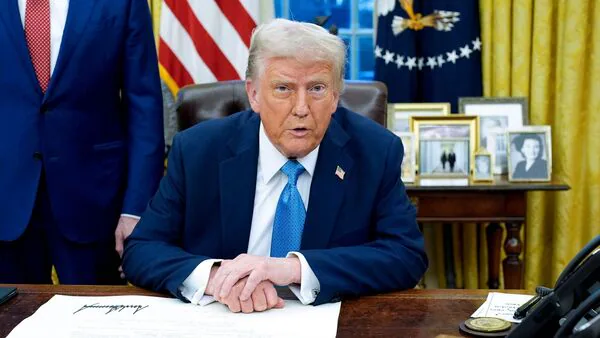
The United States has imposed import tariffs on China for several years, affecting global trade and economic relations. These tariffs are duties placed on goods imported from China, making them more expensive for American buyers. While the goal is to protect domestic industries and reduce trade imbalances, tariffs have also led to economic consequences for businesses and consumers.
Understanding USA Import Tariffs on China
What Are Import Tariffs?
The United States has imposed import tariffs on China for several years, affecting global trade and economic relations. These tariffs are duties placed on goods imported from China, making them more expensive for American buyers. While the goal is to protect domestic industries and reduce trade imbalances, tariffs have also led to economic consequences for businesses and consumers.
Why Did the USA Impose Tariffs on China?
The U.S. imposed tariffs on Chinese goods mainly for the following reasons:
Trade Deficit Reduction: The U.S. imports more from China than it exports, leading to a trade imbalance.
Intellectual Property Rights (IPR) Protection: Concerns about Chinese companies allegedly stealing U.S. technology and trade secrets.
Encouraging Domestic Manufacturing: Tariffs make Chinese goods more expensive, encouraging Americans to buy locally made products.
Geopolitical Issues: Economic and political tensions between the U.S. and China have played a role in tariff decisions.
Major Tariff Policies Imposed on China
The U.S. imposed different tariff rounds under the Trump administration, which were later reviewed under President Biden. Key tariffs include:
2018: First Round of Tariffs – The U.S. imposed a 25% tariff on $34 billion worth of Chinese goods.
2019: Expansion of Tariffs – The tariffs extended to more products, including electronics, furniture, and machinery.
2020-2023: Adjustments and Reviews – Some tariffs were modified, but many remained in place.
Long-Term Impacts of U.S. Tariffs on China
1. Higher Prices for Consumers
One of the immediate effects of tariffs is increased prices for goods. Since importers pay tariffs on Chinese goods, they pass the extra cost to American consumers. This has led to:
More expensive electronics, clothing, and household products.
Increased inflation as prices of imported goods rise.
2. Impact on American Businesses
One of the immediate effects of tariffs is increased prices for goods. Since importers pay tariffs on Chinese goods, they pass the extra cost to American consumers. This has led to:
More expensive electronics, clothing, and household products.
Increased inflation as prices of imported goods rise.
3. Effect on China’s Economy
China has also felt the impact of U.S. tariffs. The country has experienced:
Reduced exports to the U.S.: Many Chinese companies have seen lower sales in the American market.
Economic slowdowns: Tariffs have contributed to slower economic growth in China.
Shift in trade relations: China has increased trade with other countries to compensate for U.S. tariffs.
4. Impact on Global Trade Relations
The U.S.-China trade war has influenced global markets, causing:
Supply chain shifts: Companies moved manufacturing to countries like Vietnam, India, and Mexico.
Trade agreements and tensions: Other nations have adjusted their trade policies in response.
Currency fluctuations: The Chinese yuan and U.S. dollar have seen volatility due to trade uncertainties.
5. Effect on American Farmers
In response to U.S. tariffs, China imposed retaliatory tariffs on American goods, including:
Soybeans: China, one of the biggest buyers of U.S. soybeans, reduced imports.
Pork and dairy products: American farmers faced reduced export demand.
Government subsidies: The U.S. government provided financial support to farmers affected by Chinese tariffs.
6. Technological and Industrial Shifts
The tariff war has pushed the U.S. and China to become more self-reliant in various industries:
China’s push for technological independence: China has invested more in semiconductor manufacturing and AI research.
U.S. reshoring efforts: The U.S. is working to bring manufacturing jobs back home.
Future Outlook: What’s Next for U.S.-China Trade?
The future of U.S. tariffs on China depends on various factors, including government policies, economic conditions, and global events. Possible scenarios include:
Continuation of tariffs: If trade tensions remain high, tariffs could stay in place.
Gradual reduction: Future trade agreements might lead to tariff reductions.
Shifts in manufacturing: More companies may move production to alternative countries to avoid tariffs.
Frequently Asked Questions (FAQs) About U.S. Tariffs on China
1. What percentage of tariffs does the U.S. impose on Chinese goods?
Tariffs vary by product, with some items facing 25% duties, while others have lower rates.
2. Have tariffs helped the U.S. economy?
Tariffs have protected some domestic industries but also led to higher prices for consumers and businesses.
3. How do tariffs impact American consumers?
Consumers pay higher prices for imported goods due to the increased costs passed on by businesses.
4. Did China retaliate against U.S. tariffs?
Yes, China imposed tariffs on U.S. goods, including agricultural products and manufactured items.
5. Are tariffs likely to be removed in the future?
It depends on future trade negotiations and political decisions between the U.S. and China.
6. How do tariffs affect U.S. businesses?
Businesses that rely on Chinese imports face higher costs, supply chain disruptions, and reduced competitiveness.
7. Have tariffs influenced global trade patterns?
Yes, many companies have shifted manufacturing to other countries like Vietnam and India.
8. What industries are most affected by tariffs?
Industries such as electronics, automotive, agriculture, and manufacturing have been significantly impacted.
9. Are there alternatives to tariffs for managing trade disputes?
Yes, trade agreements, negotiations, and economic policies can be used instead of tariffs to address trade imbalances.
10. How can businesses adapt to tariff changes?
Businesses can explore new suppliers, renegotiate contracts, and pass some costs to consumers to manage tariff-related expenses.
Conclusion
The U.S. import tariffs on China have had wide-ranging effects on consumers, businesses, and global trade. While the tariffs aim to protect American industries and reduce the trade deficit, they have also led to higher prices, supply chain disruptions, and economic adjustments in both the U.S. and China. The long-term impact will depend on future trade policies and global economic conditions. For now, businesses and consumers must navigate these changes and adapt to the evolving trade landscape.