
Unconventional Dietary Approaches and Epigenetics: Can Fasting-Mimicking Diets Prevent Age-Related Diseases?

In recent years, scientists and health enthusiasts have been exploring how our diets can influence not just our weight or energy levels but also the very expression of our genes. One intriguing area of study is how unconventional dietary approaches—especially fasting-mimicking diets (FMDs)—might alter epigenetic markers and, in doing so, help prevent age-related diseases. In this blog, we will break down the science behind epigenetics and fasting-mimicking diets, discuss current research and news, and answer frequently asked questions about this emerging field. We’ll also include suggestions for images that can help illustrate these concepts.
Understanding Epigenetics and Its Importance
What is Epigenetics?
Epigenetics is the study of changes in gene expression that do not involve alterations to the underlying DNA sequence. In simple terms, while our genes provide the blueprint, epigenetic markers act like switches that turn genes on or off. These markers can be influenced by various factors, including our diet, lifestyle, and environmental exposures.
Why Are Epigenetic Markers Important?
Epigenetic markers regulate essential biological processes such as cell growth, repair, and even how our bodies respond to stress and inflammation. Changes in these markers are linked to aging and the development of diseases like diabetes, heart disease, and certain cancers. Therefore, understanding and potentially influencing these markers could play a role in disease prevention and healthy aging.
What Are Fasting-Mimicking Diets (FMDs)?
The Concept of Fasting-Mimicking Diets
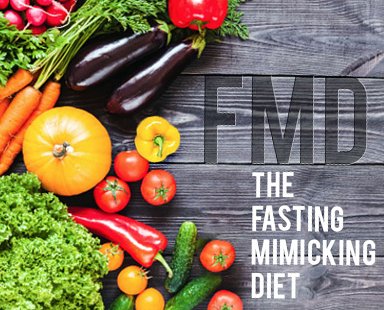
Fasting-mimicking diets are specially designed eating plans that simulate the effects of fasting while still allowing some food intake. Unlike complete fasting, FMDs provide the body with a controlled amount of calories and specific nutrients. The goal is to trigger the benefits of fasting—such as reduced inflammation, improved metabolic health, and cellular repair—without the challenges of prolonged abstinence from food.
How Do FMDs Differ from Traditional Fasting?
Traditional fasting typically involves abstaining from all food for a set period, which can be difficult to sustain and may lead to adverse effects in some individuals. FMDs, on the other hand, are carefully structured to be safe, sustainable, and more palatable. They often last for a few days every month and include plant-based foods, healthy fats, and low levels of protein and carbohydrates.

How Fasting-Mimicking Diets May Alter Epigenetic Markers
Mechanisms at Work
Research suggests that the physiological stress induced by fasting or FMDs can lead to beneficial changes in the body’s epigenetic landscape. When the body is in a fasting state, it activates pathways that promote cell repair, reduce inflammation, and enhance metabolic efficiency. Some studies have indicated that these changes can modify epigenetic markers on genes involved in aging and disease.
For example:
- Reduced Inflammation: FMDs may lower the levels of pro-inflammatory cytokines. Inflammation is known to affect epigenetic regulation, so reducing inflammation might help in resetting harmful epigenetic changes.
- Enhanced Cellular Repair: Fasting triggers autophagy, a process where cells clean out damaged components. This renewal process can alter epigenetic markers, promoting healthier cell function.
- Metabolic Improvements: FMDs can improve insulin sensitivity and lower blood sugar levels, potentially modifying epigenetic markers related to metabolic health.
Current Research and News
Recent studies have provided promising evidence that fasting-mimicking diets could positively impact epigenetic markers:
A study published in a leading scientific journal reported that subjects following an FMD protocol showed changes in gene expression linked to longevity and reduced disease risk.
- Current news outlets have highlighted clinical trials exploring the long-term benefits of FMDs on aging and chronic disease management, with preliminary results suggesting improvements in both metabolic and cognitive health.
- Researchers are now investigating whether periodic fasting-mimicking cycles can delay the onset of age-related diseases by influencing the epigenome.
Benefits for Age-Related Diseases
Potential Preventative Effects
The idea behind using FMDs as a preventive tool against age-related diseases is rooted in the possibility of reversing or mitigating harmful epigenetic changes. As our bodies age, certain epigenetic modifications can lead to a decline in cell function and an increased risk of diseases such as:
- Cardiovascular Disease: Improved metabolic health and reduced inflammation can lower the risk of heart disease.
- Type 2 Diabetes: Enhanced insulin sensitivity and better blood sugar control can help prevent diabetes.
- Neurodegenerative Disorders: There is some evidence that improved cellular repair mechanisms might protect against diseases like Alzheimer’s.
- Cancer: By promoting cellular turnover and reducing inflammation, FMDs might help in decreasing the risk of certain cancers.
These benefits highlight the potential of FMDs not just as a weight loss tool but as a comprehensive strategy for long-term health and disease prevention.
Integrating FMDs into a Healthy Lifestyle
Practical Considerations
If you’re interested in exploring fasting-mimicking diets, consider the following tips:
- Consult a Healthcare Professional: Before starting any new diet, especially one that involves fasting, it’s important to discuss it with a doctor or a nutritionist, particularly if you have pre-existing conditions.
- Plan Your Fasting Cycle: FMDs are typically done for a few consecutive days each month. Plan your fasting days and ensure you have the right foods prepared.
- Monitor Your Body’s Response: Keep track of how you feel during and after the FMD period. Note any improvements in energy levels, mood, or overall well-being.
- Combine With Other Healthy Habits: FMDs work best when integrated into a lifestyle that includes regular exercise, adequate sleep, and stress management techniques.
Recent Trends
Many wellness centers and nutrition experts are now offering guidance on FMDs, and some companies have even developed pre-packaged meal plans to help individuals follow these diets safely. As the interest grows, more resources and personalized plans are becoming available, making it easier to incorporate fasting-mimicking diets into daily life.
Recent Trends
1. What exactly is a fasting-mimicking diet?
A fasting-mimicking diet is a specific eating plan that simulates the effects of fasting while still allowing a limited calorie intake. It aims to trigger the benefits of fasting, such as cellular repair and reduced inflammation, without complete food deprivation.
2. How does an FMD affect epigenetic markers?
FMDs can induce physiological stress that activates cellular repair processes and reduces inflammation. This can lead to beneficial changes in epigenetic markers, potentially slowing down aging and preventing disease.
3. Are FMDs safe for everyone?
While FMDs are generally safe for healthy individuals, it’s important for those with chronic health conditions or who are pregnant to consult a healthcare provider before starting an FMD.
4. How long should an FMD last?
Typically, fasting-mimicking diets are followed for about 3 to 5 days per month, though the exact duration can vary based on individual needs and specific protocols.
5. Can FMDs help with weight loss?
Yes, FMDs can contribute to weight loss and improved metabolic health, but their benefits extend beyond weight management to include anti-aging and disease prevention effects.
6. What foods are typically included in an FMD?
An FMD usually consists of plant-based foods low in calories and protein, such as vegetables, nuts, and small portions of healthy fats. The diet is carefully formulated to provide essential nutrients while mimicking fasting conditions.
7. How soon can one expect to see results from an FMD?
Some benefits, such as improved energy levels and reduced inflammation, may be noticeable within a few cycles. However, long-term benefits related to epigenetic changes and disease prevention may take several months to become apparent.
8. Are there any side effects of following an FMD?
Some people may experience mild side effects such as hunger, fatigue, or headaches during the fasting period. These symptoms typically subside as your body adapts to the diet.
9. How do FMDs compare to traditional fasting?
Unlike traditional fasting, FMDs allow a limited amount of food intake, making them more sustainable and easier to adhere to while still providing many benefits associated with complete fasting.
10. Where can I learn more about FMDs and their benefits?You can explore scientific journals, and trusted health websites, and consult with nutrition experts or medical professionals who specialize in integrative and anti-aging medicine.
Conclusion
The concept of using unconventional dietary approaches such as fasting-mimicking diets to alter epigenetic markers and prevent age-related diseases is an exciting frontier in modern nutrition and health science. While research is still evolving, early findings suggest that these diets might not only help with weight management and metabolic health but also play a role in delaying or even preventing chronic conditions associated with aging.
Integrating an FMD into your lifestyle could be a promising strategy to harness the benefits of fasting without the challenges of complete food abstinence. As more research emerges and as current news highlights innovative approaches to diet and health, it is important to remain informed and consider how these strategies might fit into a holistic approach to well-being.
Remember, any significant changes to your diet should be discussed with a healthcare professional, particularly if you have underlying health issues. By combining modern pain management techniques, lifestyle adjustments, and innovative dietary strategies like FMDs, we may one day be able to not only manage but also prevent the onset of many age-related diseases, leading to a healthier, longer life.
By embracing the latest research and integrating these findings into practical lifestyle choices, we can work towards a future where our diets actively contribute to long-term health and well-being.