
How Personalized Wearable Technology is Revolutionizing Early Detection and Prevention of Lifestyle Diseases
In an era where chronic conditions like diabetes, heart disease, and obesity affect millions, personalized wearable technology is emerging as a game-changer in healthcare. From smartwatches to glucose monitors, these devices empower users to take control of their health by providing real-time data and actionable insights. With the global wearable tech market projected to exceed $186 billion by 2030, their role in early detection and prevention is reshaping medical strategies. Let’s explore how these gadgets are turning everyday health monitoring into a proactive defense against lifestyle-related diseases.Lorem ipsum dolor sit amet, consectetur adipiscing elit. Ut elit tellus, luctus nec ullamcorper mattis, pulvinar dapibus leo.
The Rise of Wearables in Healthcare
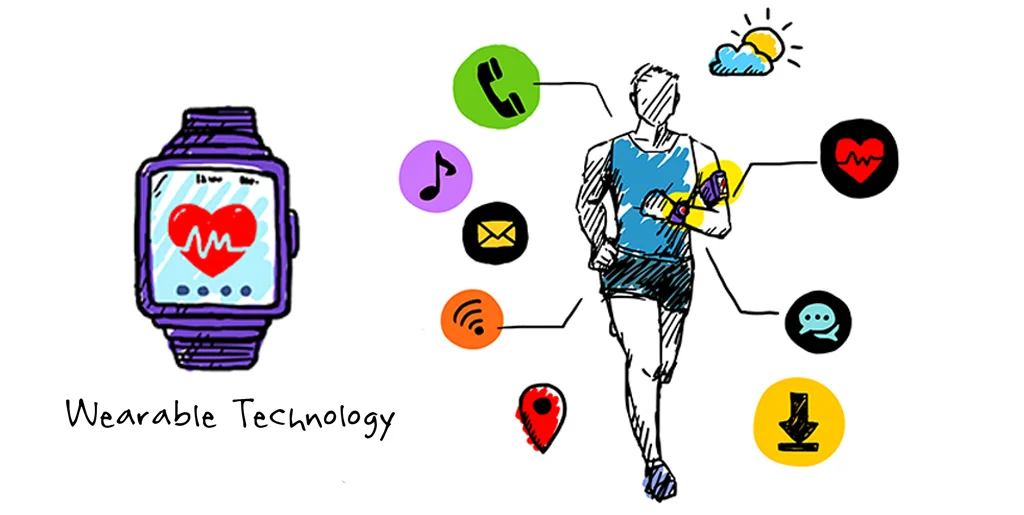
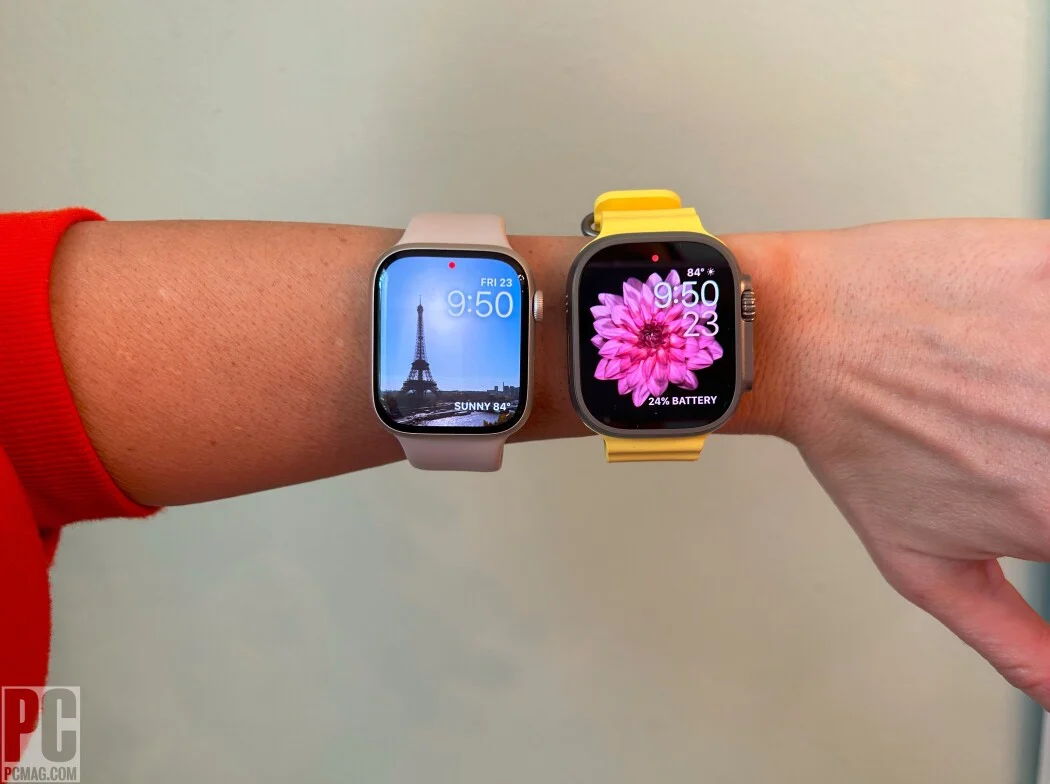
Wearables have evolved beyond step counters. Modern devices like the Apple Watch, Fitbit, and Dexcom CGM (continuous glucose monitor) now track heart rhythms, blood oxygen levels, sleep quality, and even stress. By 2024, over 30% of U.S. adults owned a wearable device, according to Rock Health, with many using them to manage chronic conditions. This surge is fueled by advancements in AI and sensor technology, enabling devices to detect subtle health changes long before symptoms appear.
Early Detection: Catching Warning Signs Sooner
Heart Health
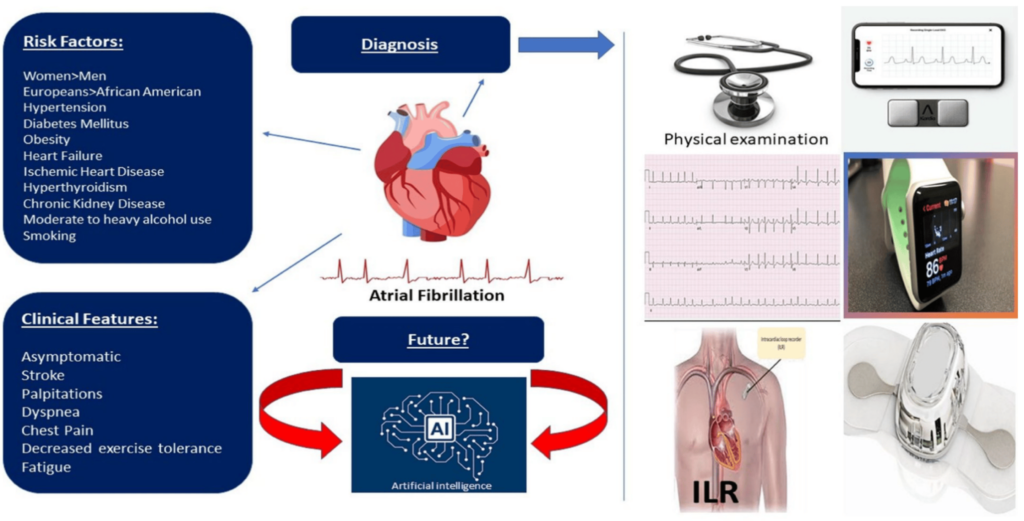
The Apple Watch’s ECG feature, FDA-approved in 2018, can detect atrial fibrillation (AFib), a leading cause of stroke. In 2023, a Johns Hopkins study found that wearables identified irregular heart rhythms in 35% of participants, leading to earlier interventions.
Diabetes Management
Continuous glucose monitors (CGMs) like Dexcom G7 provide real-time blood sugar data, alerting users to dangerous spikes or drops. Research in Nature Medicine (2023) showed CGMs reduced hospitalizations for hypoglycemia by 52% in high-risk patients.
Sleep Disorders
Devices like the Oura Ring analyze sleep stages and oxygen levels, flagging potential sleep apnea. A 2024 Stanford trial linked wearable-detected sleep irregularities to a 40% higher risk of hypertension.
Prevention: Turning Data into Action
Wearables don’t just diagnose—they motivate. By syncing with apps like MyFitnessPal or Headspace, they create personalized plans:
Activity Reminders: The WHO attributes 2 million annual deaths to physical inactivity. Devices like Garmin’s Vívosmart 5 nudge users to move hourly.
Stress Management: Fitbit’s Stress Management Score uses heart rate variability (HRV) to suggest mindfulness exercises.
Diet Tracking: Samsung Galaxy Watch’s body composition analysis helps users adjust diets based on muscle/fat ratios.
Case Study: A 2023 Mayo Clinic program found that patients using wearables lost 12% more weight than those relying on traditional methods.
Current Innovations and News
-
FDA Breakthroughs: In early 2024, the FDA cleared a new Apple Watch algorithm to detect Parkinson’s tremors.
-
AI Integration: Google’s Fitbit Luxe now predicts migraines by analyzing sleep and activity patterns.
-
Corporate Wellness: Amazon’s Halo Health, launched in 2023, offers employees personalized health coaching based on wearable data.
Challenges and Considerations
Accuracy Concerns: While wearables excel in trend analysis, they’re not diagnostic tools. A 2024 JAMA study noted wrist-based blood pressure monitors had a 15% error margin.
Data Privacy: With sensitive health data stored in apps, breaches remain a risk. Legislation like the EU’s GDPR and California’s CCPA are pushing for stricter controls.
Accessibility: High costs (200–200–800) limit access for low-income populations, exacerbating health disparities.
FAQs
Q: Can wearables replace doctors?
A: No—they complement care. Always consult a physician for abnormal readings.
Q: How accurate are sleep trackers?
A: They’re reliable for trends (e.g., restless nights) but less precise than clinical polysomnography.
Q: Are these devices secure?
A: Reputable brands use encryption, but users should enable two-factor authentication and review app permissions.
Q: Which wearable is best for seniors?
A: The UnaliWear Kanega Watch offers fall detection and medication reminders, designed for elderly users.
The Future of Wearables
Upcoming innovations include non-invasive blood sugar monitors (Abbott’s Lingo) and smart contact lenses for glaucoma. As AI becomes more sophisticated, wearables could predict conditions like depression or Alzheimer’s through behavioral patterns.
Conclusion
Personalized wearable technology is transforming reactive healthcare into a proactive, data-driven journey. By catching early warning signs and encouraging healthier habits, these devices are vital tools in combating lifestyle diseases. While challenges like accuracy and affordability persist, the future promises even greater integration of wearables into everyday health management. As the adage goes, “An ounce of prevention is worth a pound of cure”—and wearables are making prevention smarter than ever.