
Water bottles are an essential part of everyday life, helping people stay hydrated at work, school, or during outdoor activities. Choosing the right water bottle involves understanding different types, materials, and the safety standards followed in the USA.
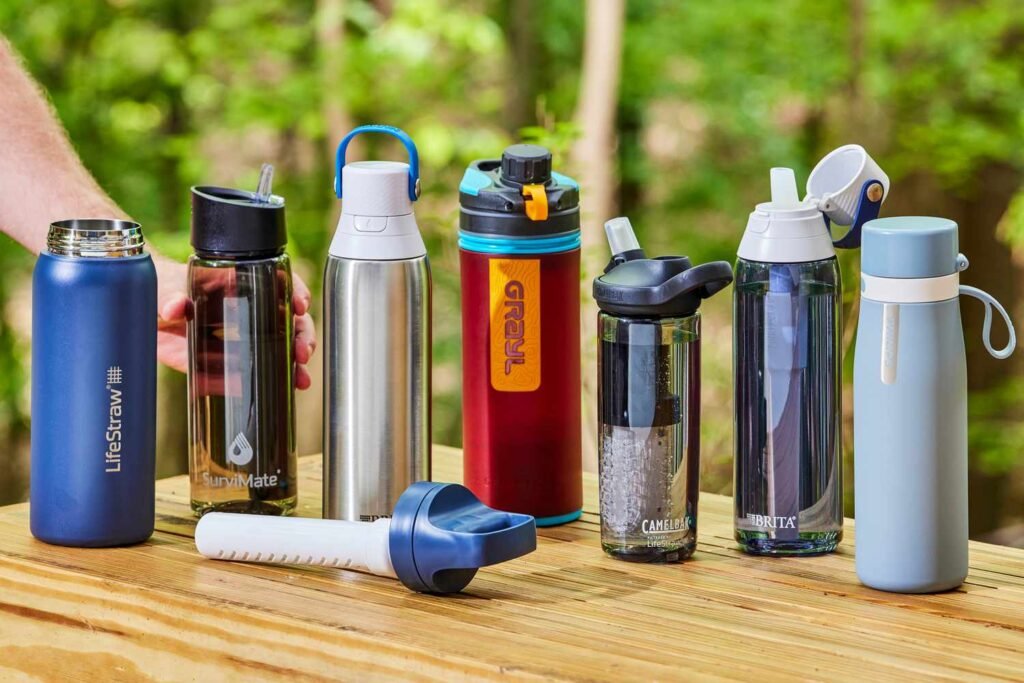
Types of Water Bottles
1. Stainless Steel Bottles
Stainless steel water bottles are popular for their durability and insulation properties. They can keep beverages hot or cold for hours and are resistant to rust and corrosion. These bottles often use double-wall vacuum insulation to maintain temperature.
Advantages:
Long-lasting and durable
BPA-free and non-toxic
Retains temperature for extended periods
Disadvantages:
- Heavier compared to plastic bottles
- Can be more expensive
2. Plastic Bottles
Plastic bottles are lightweight, affordable, and widely available. However, it is essential to choose BPA-free plastic bottles to ensure they are safe for use.
Advantages:
Lightweight and easy to carry
Affordable and widely available
Available in various sizes and shapes
Disadvantages:
Some plastic bottles may contain harmful chemicals
Less durable compared to stainless steel or glass
3. Glass Bottles
Glass bottles are an eco-friendly option that does not retain flavors or chemicals. They are safe for drinking water but are fragile and heavier than other options.
Advantages:
No chemicals or plastic taste
Environmentally friendly and reusable
Easy to clean
Disadvantages:
Fragile and prone to breaking
Heavier compared to plastic or stainless steel
4. Collapsible Bottles
Collapsible water bottles are made from flexible silicone or plastic, making them ideal for travelers and hikers. They can be folded when empty, saving space in bags.
Advantages:
Compact and travel-friendly
Lightweight
Easy to store when not in use
Disadvantages:
Not as durable as stainless steel or glass
Some models may retain flavors
5. Insulated Bottles
Insulated water bottles are designed to keep beverages hot or cold for extended periods. They usually feature double-wall construction and vacuum insulation.
Advantages:
Keeps drinks hot or cold for hours
Durable and long-lasting
Suitable for all weather conditions
Disadvantages:
Heavier than non-insulated bottles
More expensive
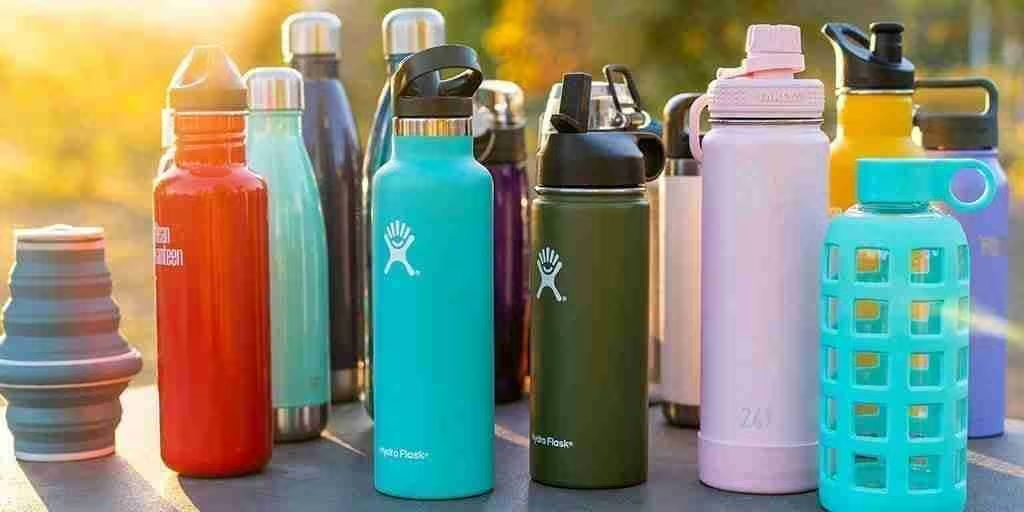
Popular Water Bottle Brands in the USA
1. Hydro Flask
Hydro Flask is known for its high-quality stainless steel insulated bottles. They offer excellent temperature retention and come in various sizes and colors.
2. Yeti
Yeti bottles are designed for rugged outdoor use. They are highly durable and provide superior insulation for keeping drinks at the desired temperature.
3. Nalgene
Nalgene bottles are made from BPA-free plastic and are widely used for outdoor activities and sports. They are lightweight and extremely durable.
4. Owala
Owala’s FreeSip bottles feature a unique dual sipping method, allowing users to drink through a built-in straw or directly from the spout. They are insulated and leakproof.
5. CamelBak
CamelBak offers innovative hydration solutions, including bottles with bite valves and reservoirs for outdoor activities. Their designs focus on convenience and ease of use.
Standards Followed in the USA for Water Bottles
1. FDA Regulations
The U.S. Food and Drug Administration (FDA) regulates materials used in water bottles to ensure they are safe for drinking. BPA-free plastics and food-grade stainless steel are commonly approved materials.
2. NSF Certification
The National Sanitation Foundation (NSF) certifies bottles based on their safety and performance. NSF 61 certification ensures the bottle material does not leach harmful chemicals into the water.
3. BPA-Free Standards
Bisphenol A (BPA) is a chemical found in some plastics that can be harmful. Water bottles sold in the USA often come with a BPA-Free label, ensuring they are safe for use.
4. Proposition 65 Compliance
California’s Proposition 65 requires manufacturers to disclose harmful chemicals in consumer products. Water bottles meeting Prop 65 standards are free from toxic substances.
5. Recyclability and Environmental Standards
Many water bottles in the USA are designed to be recyclable, helping reduce plastic waste. Companies also focus on sustainability by using recycled materials in their products.
How to Choose the Best Water Bottle
Material: Choose stainless steel for durability, plastic for lightweight use, or glass for purity.
Insulation: If you want your drinks to stay hot or cold, pick an insulated bottle.
Size: Select a bottle based on your daily hydration needs (e.g., 16oz, 32oz, or 64oz).
Lid Type: Decide between a straw lid, spout lid, or screw-on cap based on convenience.
Eco-Friendliness: Opt for reusable and recyclable bottles to reduce environmental impact.
Frequently Asked Questions About Water Bottles
1. Are stainless steel water bottles safe?
Yes, stainless steel bottles made from food-grade materials are safe, durable, and free from harmful chemicals.
2. How do I clean my water bottle properly?
Use warm water, mild soap, and a bottle brush to clean your bottle regularly. Some bottles are dishwasher safe.
3. Can I put hot drinks in a plastic water bottle?
Most plastic bottles are not designed for hot liquids. Check the manufacturer’s guidelines before using them for hot beverages.
4. Why do some bottles have a BPA-free label?
BPA-free bottles ensure that the plastic used does not contain Bisphenol A, a harmful chemical that can leach into beverages.
5. How long can an insulated bottle keep drinks hot or cold?
Depending on the brand and design, insulated bottles can keep drinks cold for up to 24 hours and hot for 12 hours or more.
6. Are glass water bottles better than plastic?
Glass bottles are chemical-free and do not retain flavors, but they are heavier and more fragile than plastic bottles.
7. What is the best size for a water bottle?
The best size depends on your daily water intake. Common sizes include 16oz, 32oz, and 64oz bottles.
8. Can I recycle my old water bottle?
Many plastic and stainless steel bottles are recyclable. Check with local recycling programs for proper disposal methods.
9. What is the best water bottle for hiking?
For hiking, consider a lightweight, durable bottle with insulation, such as a stainless steel or collapsible bottle.
10. Do water bottles expire?
Water bottles do not expire, but plastic bottles may degrade over time. Replace them if you notice cracks, odors, or wear.
Conclusion
Water bottles come in various types, each with its own advantages and disadvantages. Whether you prefer stainless steel for insulation, plastic for lightweight convenience, or glass for chemical-free hydration, there is a perfect water bottle for every need. The USA follows strict safety standards, ensuring that water bottles are safe, durable, and environmentally friendly. Choosing the right bottle helps maintain hydration while supporting sustainability.