
Introduction: The Healing Power of Nature at Home
In 2024, a groundbreaking study from the University of Oregon revealed that office workers in biophilic-designed spaces took 20% fewer sick days than those in conventional settings. This finding underscores a growing trend: integrating nature into our living and working environments isn’t just aesthetically pleasing—it’s a science-backed way to strengthen our immune systems. But how exactly does biophilic design work, and why is it so effective? Let’s explore the fascinating connection between nature-infused spaces and immune health.

What Is Biophilic Design?
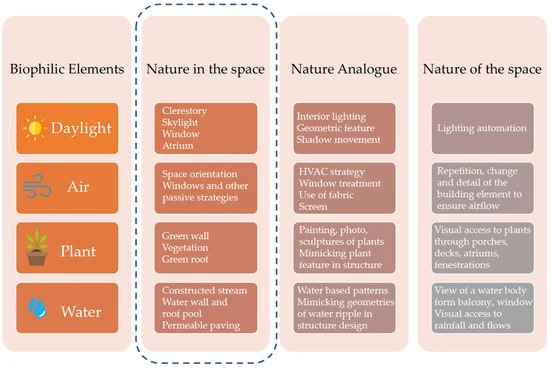
Biophilic design is an architectural approach that incorporates natural elements into built environments. Key features include:
- Natural Light: Maximizing sunlight exposure.
- Indoor Plants: Adding greenery like ferns, succulents, and air-purifying species.
- Natural Materials: Using wood, stone, and water features.
- Nature Views: Large windows or artwork depicting landscapes.
- Sensory Elements: Incorporating natural sounds (e.g., water fountains) and textures.
This design philosophy is rooted in the idea that humans have an innate connection to nature, known as biophilia
The Immune System: Your Body’s Defense Network
- White Blood Cells: Detect and destroy pathogens.
- Cytokines: Signaling molecules that regulate immune responses.
- Antibodies: Proteins that neutralize harmful invaders.
How Biophilic Design Boosts Immune Function
1. Reducing Stress Hormones
Stress triggers the release of cortisol, which suppresses immune activity. Biophilic design lowers cortisol levels by:
- Calming Visuals: Nature views and greenery reduce mental fatigue.
- Natural Sounds: Flowing water or birdsong activates the parasympathetic nervous system.
A 2023 Environmental Health Perspectives study found that office workers with plant-filled spaces had 15% lower cortisol levels.
2. Improving Air Quality
Indoor plants like snake plants and peace lilies filter toxins (e.g., formaldehyde, benzene) and increase oxygen levels. Cleaner air means:
- Fewer Respiratory Infections: Reduced exposure to pollutants.
Enhanced Lung Function: Better oxygen exchange supports immune cells.
NASA’s Clean Air Study highlights the air-purifying power of indoor plants.
3. Enhancing Sleep Quality
- Sleep is critical for immune repair and regeneration. Biophilic design promotes better sleep by:
- Regulating Circadian Rhythms: Natural light exposure aligns sleep-wake cycles.
- Creating Relaxing Environments: Soft textures and earthy tones encourage restfulness.
- A 2024 Sleep Medicine Reviews meta-analysis linked biophilic bedrooms to 20% longer deep sleep phases.
4. Increasing Physical Activity
Spaces that encourage movement (e.g., walking paths, standing desks with nature views) boost circulation and immune cell production.
5. Supporting Mental Health
Reduced anxiety and depression from biophilic spaces lower inflammation, a key immune disruptor.
Real-World Examples of Biophilic Design in Action
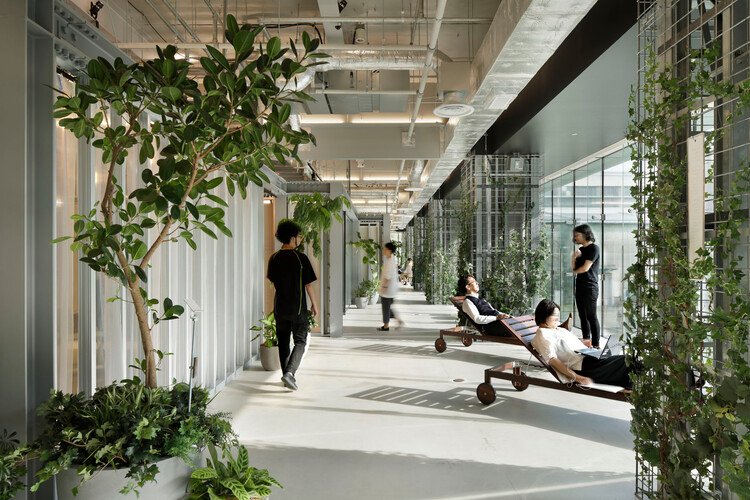
A. Amazon’s Spheres (Seattle)
These futuristic domes house over 40,000 plants, creating a workspace that boosts employee well-being and reduces absenteeism.
B. Singapore’s Khoo Teck Puat Hospital
This hospital integrates gardens, water features, and natural light, resulting in faster patient recovery times and lower infection rates.
C. Residential Spaces
Homeowners report fewer colds and allergies after adding air-purifying plants and maximizing natural light.
The Science Behind the Benefits
1. Phytoncides and Immune Activation
Trees and plants release phytoncides, antimicrobial compounds that:
- Increase natural killer (NK) cell activity, which fights viruses and tumors.
- Boost production of anti-cancer proteins, per a 2023 International Journal of Environmental Research and Public Health study.
2. Microbiome Diversity
Exposure to soil-based microbes (e.g., from gardening or potting plants) enriches the gut microbiome, which regulates 70% of immune activity.
3. Inflammation Reduction
Nature exposure lowers pro-inflammatory cytokines like IL-6, linked to chronic diseases.
The Science Behind the Benefits
1. Phytoncides and Immune Activation
Trees and plants release phytoncides, antimicrobial compounds that:
- Increase natural killer (NK) cell activity, which fights viruses and tumors.
- Boost production of anti-cancer proteins, per a 2023 International Journal of Environmental Research and Public Health study.
2. Microbiome Diversity
Exposure to soil-based microbes (e.g., from gardening or potting plants) enriches the gut microbiome, which regulates 70% of immune activity.
3. Inflammation Reduction
Nature exposure lowers pro-inflammatory cytokines like IL-6, linked to chronic diseases.
How to Incorporate Biophilic Design at Home
Start Small: Add a few low-maintenance plants like pothos or spider plants.
Maximize Light: Use sheer curtains and position desks near windows.
Use Natural Materials: Choose wooden furniture, stone countertops, or bamboo flooring.
Add Water Features: A small tabletop fountain can create calming sounds.
Incorporate Nature Art: Landscape paintings or nature photography can mimic outdoor views.
Challenges and Considerations
Maintenance: Plants require care, and water features need cleaning.
Cost: High-quality natural materials can be expensive.
Allergies: Some individuals may react to pollen or mold from plants.
However, the long-term health benefits often outweigh these challenges.

Frequently Asked Questions (FAQs)
Q: How quickly can biophilic design improve immune function?
A: Studies show measurable changes in stress and immune markers within 2–4 weeks.
Q: Can biophilic design help with seasonal allergies?
A: Yes, air-purifying plants can reduce indoor allergens like dust and mold.
Q: Is biophilic design effective in small spaces?
A: Absolutely! Even a single plant or nature-inspired artwork can make a difference.
Q: What’s the best plant for immune health?
A: Aloe vera, snake plants, and peace lilies are top choices for air purification.
Conclusion: Bringing the Outdoors In for Better Health
Biophilic design isn’t just a trend—it’s a science-backed strategy to enhance immune function, reduce stress, and improve overall well-being. As urbanization continues to disconnect us from nature, creating spaces that reconnect us to the natural world is more important than ever. Whether it’s a potted plant on your desk or a sunlit reading nook, small changes can yield big health rewards