
Introduction
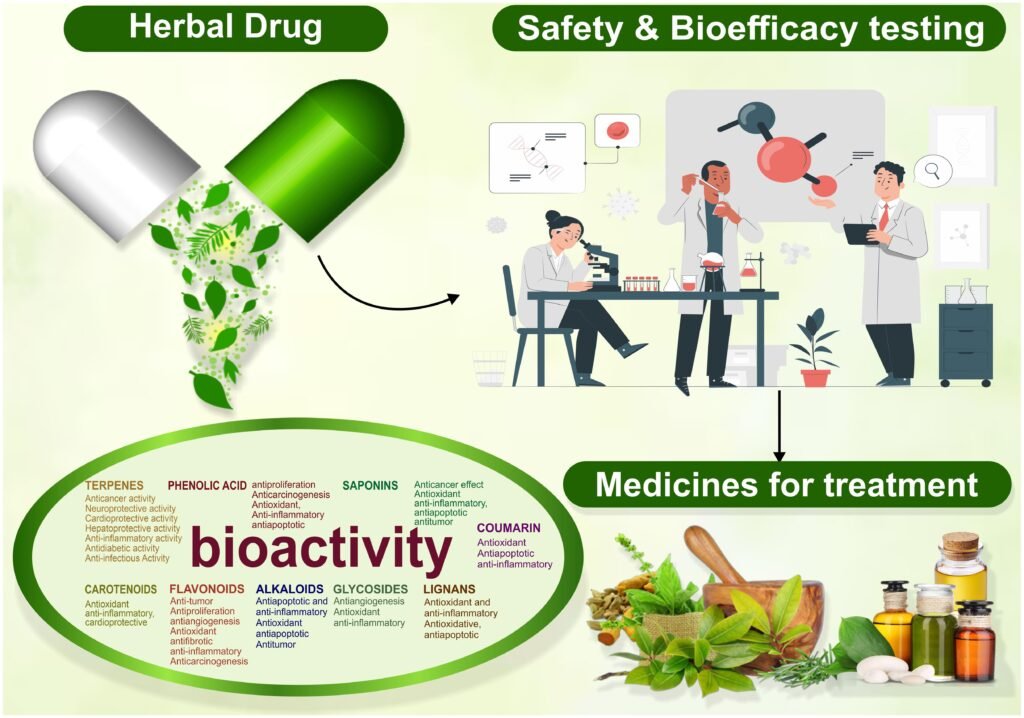
In a world increasingly drawn to quick fixes and synthetic solutions, a quiet revolution is brewing at the intersection of ancient herbal traditions and cutting-edge nutritional science. From turmeric lattes to ashwagandha supplements, age-old remedies are being validated by clinical research, creating innovative pathways for holistic health. With 80% of the global population relying on traditional medicine (WHO, 2023), and the functional food market projected to hit $275 billion by 2025, this fusion promises to redefine wellness. Let’s explore how blending millennia-old herbal wisdom with modern science is shaping the future of health.

The Roots of Herbal Medicine
- Turmeric (India): Anti-inflammatory and antioxidant properties.
- Ginger (China): Digestive aid and nausea relief.
- Echinacea (Native American): Immune booster.
Science Validates Tradition
Turmeric’s Rise to Fame
Curcumin, turmeric’s active compound, has been shown in 8,000+ studies to reduce inflammation linked to arthritis and heart disease. A 2023 Journal of Nutrition study found curcumin-enhanced supplements improved cognitive function in older adults by 28%.Ashwagandha for Stress
This Ayurvedic adaptogen lowers cortisol levels by 30%, per a 2024 NIH trial. Companies like Gaia Herbs now offer stress-relief gummies combining ashwagandha with magnesium, a modern nutrient.Mushroom Mania
Reishi and lion’s mane, staples in TCM, are now lauded for immune and brain health. A 2024 Cornell University study linked lion’s mane extract to a 50% reduction in mild cognitive impairment symptoms.
Innovations in Holistic Health
- Synbiotics: Supplements merging probiotics with prebiotic herbs like chicory root (e.g., Seed’s DS-01 Daily Synbiotic).
- Functional Foods: Nestlé’s 2024 launch of “Ayurvedic Bliss” bars with moringa and quinoa.
- Personalized Blends: Startups like HerbNurse use DNA testing to create custom herbal-nutrient teas for sleep or energy.
Challenges and Criticisms
Standardization Issues
Herbal potency varies by soil, climate, and processing. A 2024 JAMA report found 40% of ashwagandha supplements had inconsistent dosages.Safety Concerns
St. John’s Wort, used for depression, can interfere with birth control and anticoagulants. The FDA’s 2023 warning highlighted risks of unregulated herb-drug interactions.Cultural Appropriation
Indigenous communities often receive no credit or profit when their knowledge is commercialized. The 2024 Nagoya Protocol aims to ensure equitable benefit-sharing.
FAQs
Q: Are herbal remedies safe for everyone?
A: Not always. Consult a healthcare provider, especially if pregnant, breastfeeding, or on medication.
Q: Can herbs replace pharmaceuticals?
A: Some may complement treatment (e.g., berberine for blood sugar), but never self-prescribe in place of prescribed drugs.
Q: How do I choose quality herbal products?
A: Look for third-party certifications (USP, NSF) and avoid brands with “proprietary blends” hiding dosages.
Q: What’s the best way to integrate herbs into my diet?
A: Start with whole forms (e.g., fresh ginger tea) before supplements. Pair with fats (e.g., turmeric + black pepper) to boost absorption.
The Future: Where Tradition Meets Tech
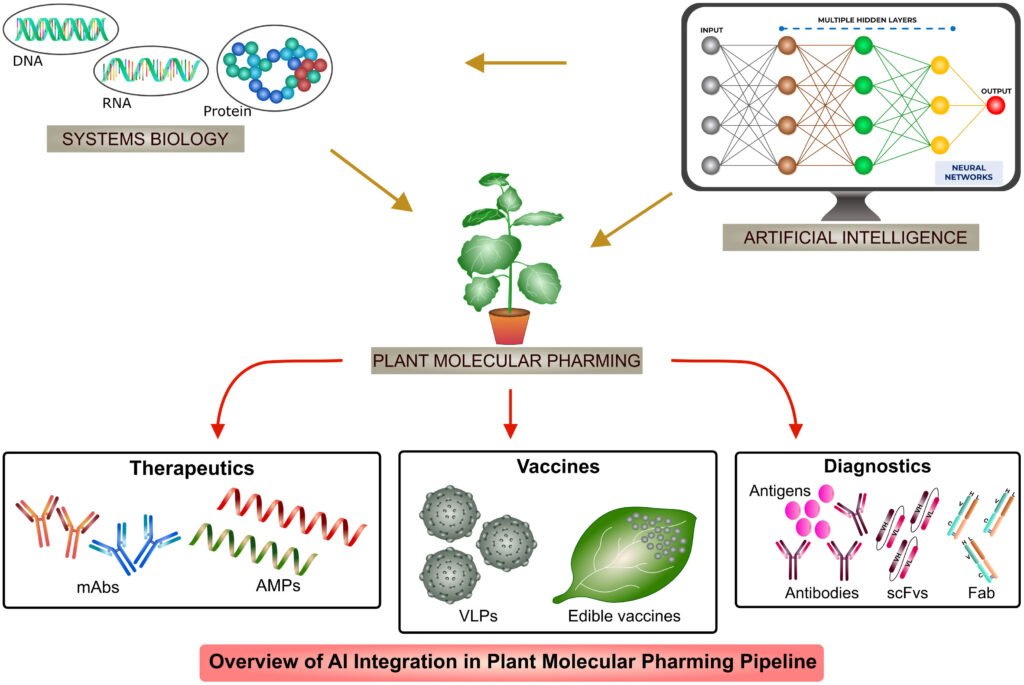
AI-Driven Formulations: Companies like Brightseed use AI to predict bioactive compounds in understudied plants. Their 2023 discovery of a fiber-regulating compound in black pepper is now in clinical trials.
Cultured Herbs: Biotech firms are lab-growing rare herbs like Himalayan yew (used in cancer drug paclitaxel) to prevent overharvesting.
Genomic Nutrition: Startups decode users’ DNA to recommend personalized herb-nutrient combos.
Conclusion
The marriage of traditional herbal knowledge and modern nutrition is not just a trend—it’s a transformative shift toward holistic, preventive healthcare. While challenges like standardization and ethics remain, the potential is vast. As functional medicine expert Dr. Mark Hyman notes, “Our ancestors’ medicine cabinets were the forest and the field; science is now giving us the manual to use them wisely.” By honoring the past and innovating for the future, we can create a health paradigm that’s both rooted and revolutionary.