
Introduction
In the bustling mosaic of immigrant life, cultural storytelling traditions serve as invisible threads connecting past, present, and future. From the oral histories of African griots to the folktales of Vietnamese elders, these narratives are more than entertainment—they are lifelines. Amid rising mental health challenges in immigrant populations, a 2023 WHO report highlights storytelling as a tool for resilience, offering solace and strength. This blog explores how these age-old traditions foster mental wellness and how modern adaptations ensure their survival in a rapidly changing world.
The Psychological Power of Storytelling
Stories are mirrors and windows: they reflect shared struggles and open vistas of hope. For immigrants navigating acculturation, storytelling:
Preserves Identity: Anchors individuals to cultural roots, combating feelings of alienation.
Normalizes Struggles: Shared narratives validate experiences of migration trauma or discrimination.
Builds Community: Collective storytelling fosters belonging, a buffer against isolation-linked depression.
A 2024 Stanford study found that first-gen immigrants participating in storytelling groups reported 30% lower anxiety levels than peers.
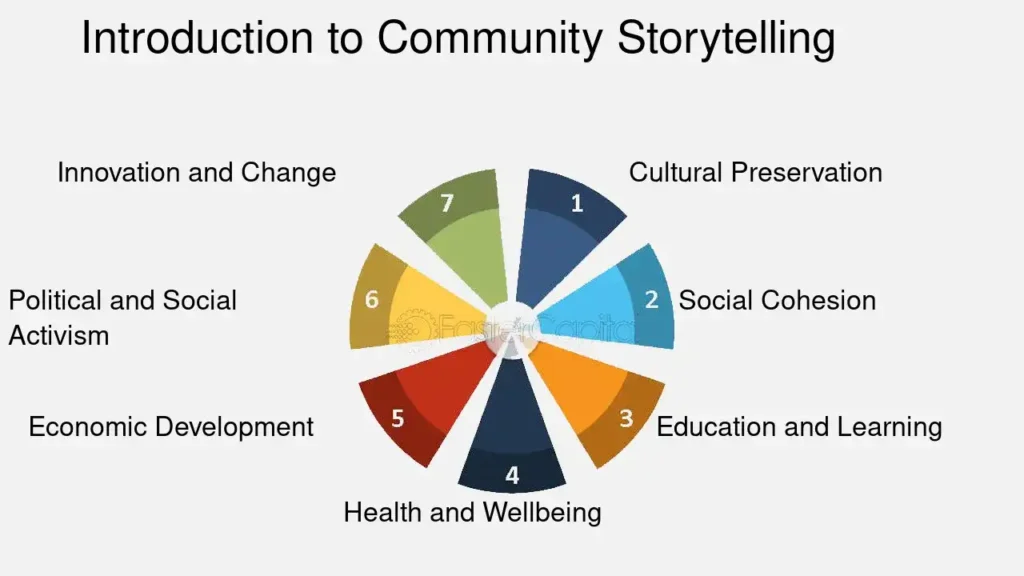
Cultural Traditions in Action
Latin American Cuentos:
In Mexican communities, abuelitas (grandmothers) use cuentos (folktales) to teach resilience. A 2023 UCLA project documented how tales like La Llorona are reframed to discuss grief and healing.South Asian Dastangoi:
This Urdu oral storytelling art, revived in diaspora hubs like Toronto, addresses intergenerational trauma. The 2024 “Stories Without Borders” festival featured Punjabi immigrants sharing partition memories to process collective loss.Somali Poetry (Gabay):
Minnesota’s Somali youth use gabay to articulate refugee experiences. A 2023 Journal of Immigrant Health study linked poetry workshops to reduced PTSD symptoms in teens.

Modern Innovations: Bridging Old and New
Digital Storytelling Apps:
Platforms like StoryVoice allow immigrants to record ancestral tales in their native languages. In 2024, the app partnered with NYC schools to help migrant students share journeys via digital diaries.Intergenerational Podcasts:
Toronto’s “Echoes of Home” podcast pairs elders with youth to co-narrate migration stories, downloaded 500k+ times.Theater Therapy:
Groups like San Francisco’s Teatro de la Resiliencia blend Mayan folklore with drama therapy for Guatemalan refugees.
Challenges and Solutions
Erosion of Traditions:
Youth assimilation pressures dilute oral traditions. Solution: Libraries like London’s Migration Museum host “Storykeeper” nights to archive tales.Mental Health Stigma:
Some cultures shun discussing emotional struggles. Solution: Culturally sensitive programs, like Boston’s Hikayat (Arabic for “stories”), use metaphors to broach topics like depression.Language Loss:
Second-gen immigrants often lose native tongues. Solution: Bilingual storytelling projects, such as Miami’s Cuentos en Dos Idiomas, reinforce language and heritage.

FAQs
Q: Can storytelling replace therapy?
A: It’s a complement, not a substitute. Narrative therapy blends both, but clinical support remains vital for severe trauma.
Q: How can non-immigrants support these traditions?
A: Attend cultural events, amplify immigrant voices, and fund community storytelling initiatives.
Q: Are digital tools eroding traditional storytelling?
A: Not necessarily—they’re preserving it. Apps archive tales at risk of being lost, ensuring future access.
Q: What’s a simple way to start storytelling at home?
A: Share family migration stories over meals. Even simple anecdotes reinforce identity and resilience.
The Future: Stories as Survival Tools
As climate change and conflict drive global displacement, storytelling’s role will grow. Innovations like AI-driven translation tools (e.g., 2024’s Folklore AI) can bridge language gaps, while VR platforms like StorySphere immerse users in ancestral homelands. Researchers at MIT’s 2024 “Narratives Lab” predict storytelling will become integral to trauma-informed care for refugees.

The Future: Stories as Survival Tools
Cultural storytelling is not nostalgia—it’s a dynamic, living practice that equips immigrants to face the future without erasing the past. As Somali poet Warsan Shire wrote, “No one leaves home unless home is the mouth of a shark.” In sharing their stories, immigrants transform survival into strength, ensuring their voices—and resilience—endure.