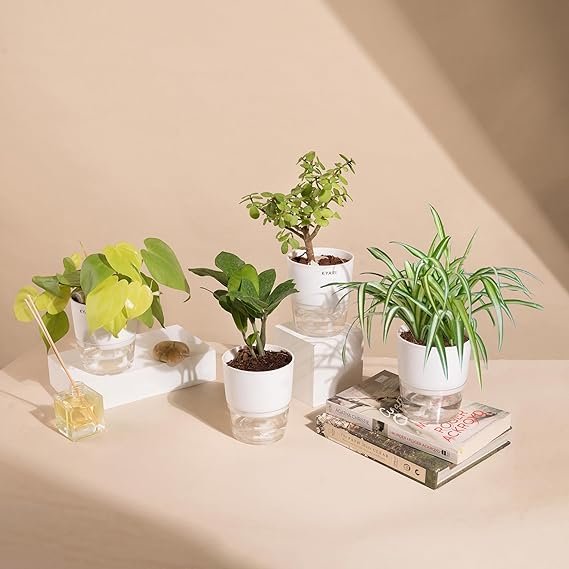
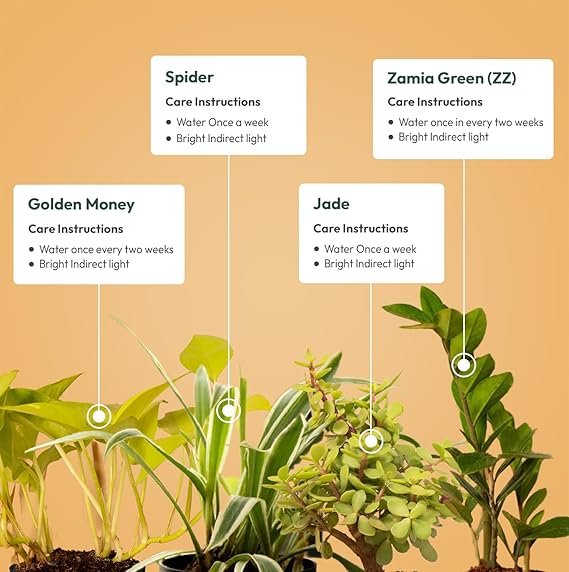
Many homes and apartments have rooms with limited sunlight, making it challenging to maintain healthy indoor plants. However, several oxygen-producing plants thrive in dimly lit conditions while purifying the air. These low-light champions not only improve indoor air quality but also enhance home decor with their lush green foliage. In this guide, we’ll explore the best oxygen-boosting plants for low-light homes and how they contribute to a healthier living environment.
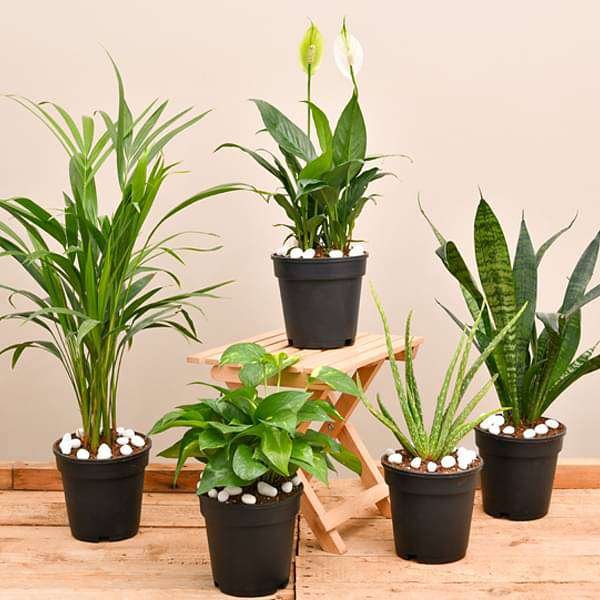
How Do Plants Survive in Low Light?
Plants rely on photosynthesis to generate oxygen. While most plants need direct sunlight, some have adapted to thrive in shaded or low-light environments. These plants typically have larger leaves to capture more available light, slower growth rates, and efficient photosynthesis processes.
Factors Affecting Plant Growth in Low Light:
Light Intensity: Even low-light plants need some indirect light.
Humidity Levels: Many low-light plants thrive in humid environments.
Watering Needs: Overwatering is a common issue; most of these plants require minimal watering.
Best Low-Light Oxygen-Producing Plants
If you want to increase oxygen levels in your dimly lit home, these plants are perfect choices:
1. Snake Plant (Sansevieria trifasciata)
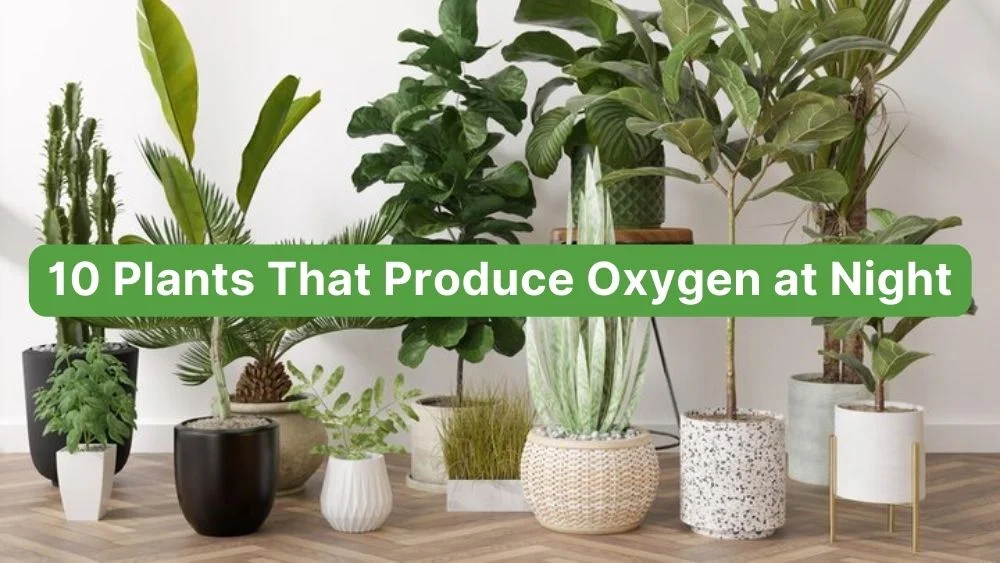
One of the best oxygen-producing plants.
Thrives in low light and requires little maintenance.
Filters toxins like formaldehyde and benzene from the air.
Continues producing oxygen at night, making it perfect for bedrooms.
2. ZZ Plant (Zamioculcas zamiifolia)
Grows well in low light and requires infrequent watering.
Excellent at absorbing carbon dioxide and increasing oxygen levels.
Resilient to neglect and thrives in almost any indoor environment.
3. Pothos (Epipremnum aureum)
Adaptable to various lighting conditions, including dimly lit areas.
Effective in removing indoor air pollutants.
Easy to maintain and grows as a trailing or potted plant
4. Peace Lily (Spathiphyllum)
Survives in very low light while purifying air efficiently.
Produces oxygen while filtering harmful toxins.
Needs occasional watering and misting for humidity.
5. Spider Plant (Chlorophytum comosum)
Thrives in indirect light and low-light environments.
A powerhouse in oxygen production and air purification.
Easy to propagate and care for, making it ideal for beginners.
6. Chinese Evergreen (Aglaonema)
Grows well in shaded areas with minimal sunlight.
Known for its high oxygen production and air-purifying qualities.
Tolerates a variety of indoor conditions with minimal care.
7. Cast Iron Plant (Aspidistra elatior)
Extremely resilient to low light and neglect.
Releases oxygen consistently while filtering toxins.
Requires occasional watering and survives well in shaded areas
8. Philodendron
Flourishes in dimly lit environments.
Removes harmful pollutants like formaldehyde.
Adds a tropical touch to your home decor.
9. Bamboo Palm (Chamaedorea seifrizii)
A strong oxygen producer and air purifier.
Thrives in indirect or low light.
Maintains indoor humidity, benefiting respiratory health.
10. Ferns (Boston Fern & Maidenhair Fern)
Love humidity and low-light conditions.
Excellent oxygen producers that filter toxins from the air.
Require regular misting and occasional watering.
Benefits of Low-Light Oxygen-Producing Plants
1. Improved Air Quality
These plants remove harmful toxins such as benzene, formaldehyde, and carbon monoxide while increasing oxygen levels.
2. Enhanced Home Decor
Lush green plants bring warmth and a natural aesthetic to dimly lit areas.
3. Reduced Stress and Anxiety
Having indoor plants has been shown to improve mental well-being, reduce stress, and enhance focus.
4. Low Maintenance
These plants require minimal care, making them ideal for busy homeowners or those without a green thumb.
5. Better Sleep and Respiratory Health
Some plants, like the Snake Plant, continue to release oxygen at night, promoting better sleep and respiratory health.
How to Care for Low-Light Plants
1. Proper Placement
Keep plants near windows where they can receive indirect light.
Rotate plants occasionally to ensure even growth.
2. Watering Tips
Avoid overwatering; most low-light plants prefer slightly dry soil.
Use a well-draining pot to prevent root rot.
3. Humidity Control
Some low-light plants thrive in humid conditions; mist them occasionally.
Grouping plants together can help maintain humidity levels.
4. Fertilizing
Use a balanced fertilizer once every 2-3 months.
Avoid excessive fertilization to prevent leaf burn.
Can Low-Light Plants Purify Air as Effectively as Sun-Loving Plants?
While all plants contribute to oxygen production, low-light plants may not photosynthesize as efficiently as sun-loving plants. However, studies suggest that they still improve air quality and remove toxins over time, making them valuable additions to any home.
Frequently Asked Questions (FAQs)
1. Do low-light plants produce enough oxygen to improve indoor air?Yes, while they may produce less oxygen than plants exposed to bright sunlight, they still contribute to better air quality over time.
2. Can I keep low-light plants in windowless rooms?
Some low-light plants can survive in artificial light, but occasional exposure to indirect sunlight is beneficial.
3. How often should I water my low-light plants?
Most low-light plants require watering once every 1-2 weeks, depending on humidity and soil dryness.
4. What’s the best low-light plant for a bedroom?
The Snake Plant is an excellent choice as it releases oxygen at night, improving air quality while you sleep.
5. Can low-light plants grow in bathrooms?
Yes! Many low-light plants, such as Ferns and Bamboo Palm, thrive in the humid environment of bathrooms.
Conclusion
Low-light oxygen-producing plants are perfect for homes with limited natural light. They not only enhance home decor but also improve air quality, reduce stress, and require minimal maintenance. Whether you choose a Snake Plant, ZZ Plant, or Peace Lily, adding greenery to dimly lit spaces will create a healthier and more refreshing indoor environment.