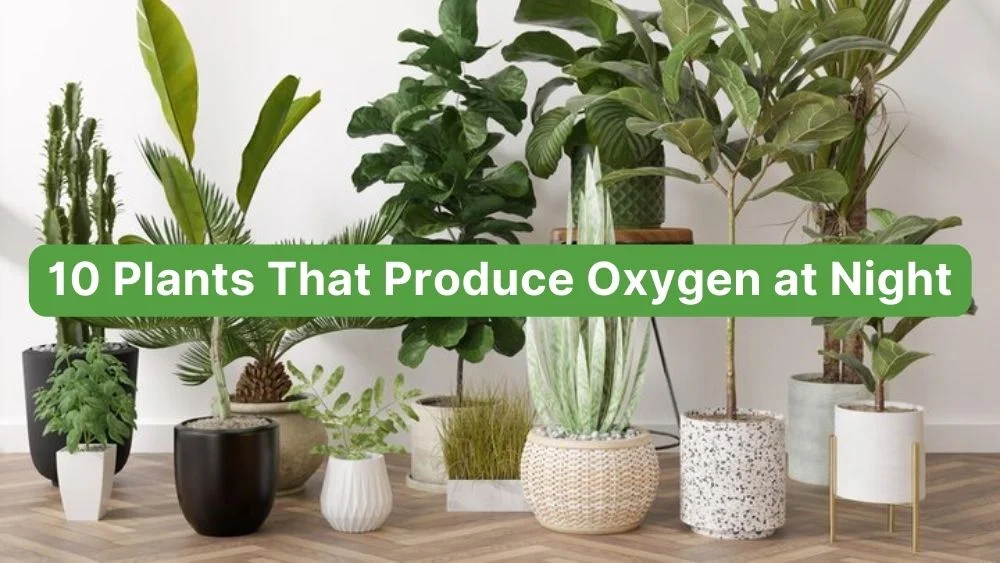
With rising concerns about indoor air pollution, many homeowners are turning to indoor plants as natural air purifiers. Plants not only add beauty to your home but also play a crucial role in producing oxygen and filtering out harmful toxins. But how effective are they really? And how many plants do you need to make a noticeable difference? Let’s explore the science behind oxygen production and how you can optimize your indoor greenery for a healthier living space
How Do Oxygen Plant Produce Oxygen?
Plants generate oxygen through photosynthesis, a process where they take in carbon dioxide (CO₂) and water, use sunlight to create energy, and release oxygen (O₂) as a byproduct. The basic formula for photosynthesis is:
6CO₂ + 6H₂O + Light → C₆H₁₂O₆ + 6O₂
This means that plants act as natural air filters, improving air quality while increasing oxygen levels. However, the effectiveness of oxygen production depends on the type, size, and number of plants in a given space.
How Many Plants Do You Need to Purify the Air?
A famous NASA Clean Air Study 1989 suggested that around 15-18 medium-sized houseplants (approximately 6-8 inches in diameter) can effectively improve air quality in an average 1,800-square-foot home. However, more recent studies have debated this claim, stating that the air purification process is slower indoors than initially thought.
To determine how many plants you need, consider:
- Room size: The larger the room, the more plants are needed.
- Plant type: Some plants are better air purifiers than others.
- Ventilation: Well-ventilated rooms may require fewer plants to circulate clean air effectively.
- Light exposure: Plants need sufficient light to maximize photosynthesis and oxygen production.
Best Oxygen-Producing Plants for Homes
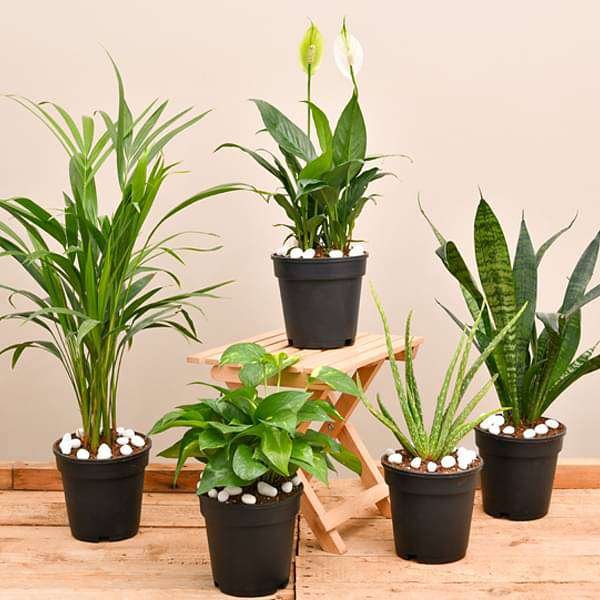
If you want to optimize oxygen levels in your home, here are some of the best oxygen-boosting plant
1. Areca Palm (Dypsis lutescens)
Increases oxygen levels significantly.
Acts as a natural humidifier.
Ideal for large rooms.
2. Snake Plant (Sansevieria trifasciata)
Releases oxygen even at night.
Absorbs toxins like formaldehyde and benzene.
Thrives in low light and requires minimal care.
3. Aloe Vera
Produces oxygen and removes harmful pollutants.
Easy to maintain and has medicinal properties.
4. Peace Lily (Spathiphyllum)
Filters out toxins such as ammonia, benzene, and formaldehyde.
Adds a decorative touch with its beautiful white flowers
5. Spider Plant (Chlorophytum comosum)
One of the best plants for reducing indoor pollution.
Absorbs carbon monoxide, formaldehyde, and other toxins.
Ideal for beginners due to its hardy nature.
6. Pothos (Epipremnum aureum)
Fast-growing vine that purifies air efficiently.
Requires low maintenance and thrives in indirect sunlight.
Placement Tips for Maximum Oxygen and Air Purification
To get the most out of your oxygen-producing plants, follow these placement strategies:
- Bedroom: Place a Snake Plant or Aloe Vera near your bed for nighttime oxygen production.
- Living Room: Position Areca Palm and Peace Lily in corners to maintain airflow and air quality.
- Kitchen: Use Spider Plants or Pothos to counteract toxins from cooking fumes.
- Bathroom: Keep Ferns or Bamboo Palm to absorb excess humidity and purify the air.
- Work Desk: Small plants like Pothos and Aloe Vera improve air quality while reducing stress.
Can Plants Alone Purify Indoor Air?
While plants are beneficial, relying solely on them for air purification may not be practical. Modern studies suggest that improving air quality requires a combination of plants, ventilation, and air purifiers. Here’s how you can enhance air quality:
- Increase Natural Ventilation: Open windows daily to allow fresh air circulation.
- Use an Air Purifier: Complement plants with HEPA filters to remove airborne pollutants.
- Reduce Indoor Pollutants: Avoid synthetic air fresheners, use non-toxic cleaning products, and minimize indoor smoking.
- Maintain Humidity: Overwatering plants can cause mold growth, so regulate humidity levels.
Frequently Asked Questions (FAQs)
1. Can indoor plants really improve air quality?
Yes, but their impact is limited compared to mechanical air purifiers. Plants contribute to oxygen production and toxin absorption, but they should be part of a broader air-cleaning strategy.
2. How many plants do I need per room?
For noticeable benefits, aim for 2-3 medium-sized plants per 100 square feet of space.
3. Which plant produces the most oxygen?
The Areca Palm, Snake Plant, and Peace Lily are among the best oxygen-producing indoor plants.
4. Do plants increase oxygen at night?
Most plants reduce oxygen levels at night, except for Snake Plants, Aloe Vera, and Orchids, which continue releasing oxygen even in the dark.
5. Can too many plants be harmful indoors?
Having too many plants in a small, unventilated space can increase humidity and lead to mold growth. Balance is key!
Conclusion
Indoor plants are a beautiful and natural way to enhance home décor while improving air quality and increasing oxygen levels. While they are not a complete replacement for air purifiers, strategically placing 10-15 oxygen-producing plants around your home can make a noticeable difference. Combine plants with proper ventilation and other air-purifying techniques for a healthier, fresher indoor environment.