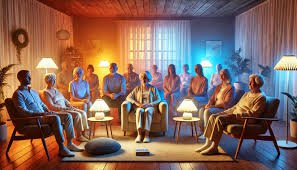
Can Environmental Color Therapy, Integrated with Modern Pain Management Techniques, Reduce Chronic Pain Levels?

Chronic pain is a complex condition that affects millions of people worldwide. Managing chronic pain often requires a multi-faceted approach that goes beyond traditional medications. In recent years, there has been growing interest in alternative therapies, such as environmental color therapy, as a complementary treatment to modern pain management techniques. In this blog, we will explore how environmental color therapy might help reduce chronic pain levels, the science behind it, current trends, and practical insights into its integration with conventional pain management strategies.
Understanding Environmental Color Therapy
What Is Environmental Color Therapy?
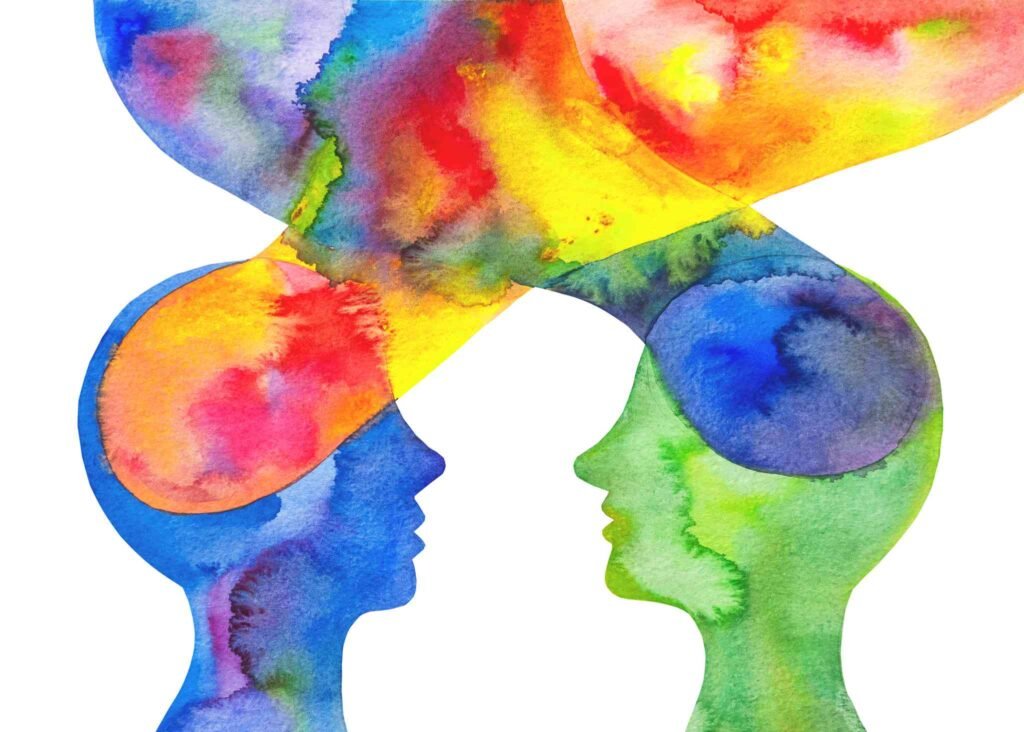
Environmental color therapy is an approach that uses colors in our surroundings to influence our mood, energy, and even physical sensations. The basic idea is that different colors evoke different psychological and physiological responses. For example, cool colors like blue and green are often associated with calmness and relaxation, while warm colors like red and orange can stimulate and energize.
How Do Colors Influence Our Body?
Research in psychology and neuroscience suggests that colors can affect brain activity and hormone levels. Exposure to calming colors can reduce stress hormones such as cortisol, which is linked to increased pain sensitivity. Conversely, stimulating colors might boost energy levels and improve mood, which can indirectly help a person manage pain better.
Modern Pain Management Techniques
Chronic pain is usually managed with a variety of modern techniques. These include:
- Medications: Pain relievers, anti-inflammatory drugs, and sometimes antidepressants or anticonvulsants that help manage nerve pain.
- Physical Therapy: Exercises and stretches tailored to relieve pain, improve mobility, and strengthen muscles.
- Cognitive Behavioral Therapy (CBT): A type of psychotherapy that helps patients manage pain by changing negative thought patterns.
- Mindfulness and Relaxation Techniques: Practices such as meditation, deep breathing exercises, and yoga that promote relaxation and stress reduction.
- Interventional Procedures: In some cases, injections, nerve blocks, or minimally invasive surgeries are used to manage chronic pain.
These methods are effective for many patients, but not all find relief. This has led researchers and clinicians to look for complementary therapies that can enhance pain management outcomes.
The Integration of Environmental Color Therapy and Modern Pain Management
Why Combine These Approaches?
Chronic pain often has both physical and psychological components. While medications and physical therapy address the physical aspects, alternative approaches like environmental color therapy can influence the psychological side. By creating an environment that reduces stress and promotes relaxation, color therapy can support the overall treatment plan.
How Can Color Therapy Help?
- Reducing Stress: A calming environment filled with cool colors may help lower stress and anxiety levels. Stress can exacerbate pain, so reducing it can lead to lower pain intensity.
- Enhancing Mood: Positive mood changes brought about by soothing colors can improve a patient’s outlook on their treatment, making them more receptive to pain management strategies.
- Improving Sleep: Better sleep quality is often a side effect of a calm environment. Since sleep problems are common in chronic pain sufferers, improved sleep can significantly enhance overall well-being.
- Creating a Healing Environment: Hospitals and clinics are increasingly adopting design principles that include specific color schemes to create more welcoming and healing spaces.

Current Research and Trends
Recent news and research indicate a growing interest in the use of complementary therapies alongside standard medical treatments. Some studies have shown that patients exposed to carefully selected color environments report lower levels of perceived pain and anxiety. Although the research is still evolving, early results are promising, suggesting that when environmental color therapy is combined with modern pain management techniques, it may enhance overall treatment outcomes.
For instance, some hospitals have started incorporating color psychology in their design. They use cool, neutral colors in recovery rooms and therapy spaces to help patients relax. Clinical trials are being designed to study the precise effects of these interventions on chronic pain levels. While more rigorous studies are needed, the preliminary findings suggest that integrating color therapy could be a valuable addition to the holistic management of chronic pain.
Practical Applications in Pain Management
How Can Practitioners Use Environmental Color Therapy?
- Designing Therapy Spaces: Clinics can use specific color schemes in waiting areas, treatment rooms, and recovery spaces. For example, soft blues, greens, and pastel shades are known to be calming.
- Patient Guidance: Educating patients on how to create a home environment that promotes healing. This might include recommendations on wall colors, lighting, and decor.
- Combining With Other Therapies: Integrating color therapy with mindfulness practices, such as guided meditation sessions in a room with a soothing color palette, can enhance the overall effectiveness of pain management.
Case Studies and Testimonials
- Several pain management centers have reported anecdotal success with these methods. Patients have shared their experiences of feeling more relaxed and reporting lower pain levels after undergoing treatment in environments optimized with calming colors. Although these are early observations, they support the idea that our surroundings can have a measurable impact on pain perception.

Challenges and Considerations
While the integration of environmental color therapy with modern pain management shows promise, there are some challenges:
- Individual Differences: People react to colors differently based on personal experiences and cultural backgrounds. What is calming for one person may not be for another.
- Scientific Validation: More extensive, controlled studies are needed to confirm the long-term benefits of color therapy on chronic pain.
- Implementation Costs: Redesigning therapy spaces to incorporate specific color schemes may involve additional costs, which could be a barrier for some healthcare facilities.
Despite these challenges, the potential benefits of integrating environmental color therapy into pain management strategies are driving further research and innovative applications in healthcare settings.
Frequently Asked Questions (FAQs)
1. What is environmental color therapy?
Environmental color therapy involves using specific colors in our surroundings to influence mood and physiological responses. It aims to create a calming and healing environment that may reduce stress and pain.
2. How can color therapy affect chronic pain?
Color therapy can reduce stress and anxiety, improve mood, and promote better sleep. Since stress and poor sleep can worsen pain, these improvements may help reduce the overall levels of chronic pain.
3. Is there scientific evidence supporting color therapy?
While research is still emerging, early studies suggest that exposure to certain colors can have a positive effect on mood and stress levels, which in turn may help reduce pain perception. More research is needed for definitive conclusions.
4. How is color therapy integrated with modern pain management techniques?
Color therapy is often used to enhance the environment in therapy spaces. When combined with conventional treatments such as medications, physical therapy, and mindfulness practices, it can create a more supportive setting for healing.
5. Can I try environmental color therapy at home?
Yes, you can. Simple changes like painting your room with calming colors, using soft lighting, and incorporating elements like plants can help create a more relaxing environment.
6. Are there any risks associated with color therapy?
Color therapy is non-invasive and generally safe. However, individual responses to colors may vary, so it’s important to choose colors that you find personally calming.
7. How long does it take to see benefits from color therapy?
The effects can be immediate for some people, such as a sense of relaxation when entering a well-designed space. Long-term benefits in terms of pain reduction would likely require consistent exposure over time.
8. Can color therapy replace traditional pain management techniques?
No, color therapy should be considered a complementary approach. It is most effective when integrated with conventional treatments rather than replacing them.
9. How do healthcare facilities implement color therapy?
Many hospitals and clinics are starting to use design principles that incorporate calming color schemes in waiting areas, treatment rooms, and recovery spaces to enhance patient comfort and well-being.
10. Where can I learn more about environmental color therapy?
You can explore academic journals, trusted health websites, and consult with healthcare professionals who are familiar with integrative and complementary therapies.
Conclusion
The digital age has brought numerous challenges and advancements, and environmental factors are increasingly recognized as influential in our overall well-being. Environmental color therapy, when integrated with modern pain management techniques, offers a promising avenue for reducing chronic pain levels. By creating environments that promote relaxation, reduce stress, and enhance mood, we can support the body’s natural ability to manage pain.
While further research is needed to fully understand the mechanisms at play, early studies and current trends in healthcare suggest that our surroundings play a significant role in our health. Simple changes in our living and treatment spaces could have a meaningful impact on how we experience and manage chronic pain.
As healthcare continues to evolve, integrative approaches that combine traditional medical practices with complementary therapies like color therapy may offer more holistic solutions for chronic pain sufferers. By staying informed and adopting practices that create supportive environments, individuals and healthcare providers can work together to improve overall quality of life.