
Introduction: The Urban Stress Epidemic
By 2050, nearly 70% of the global population will live in cities. While urban life offers convenience and opportunity, it also brings noise pollution, overcrowding, and relentless pace—key drivers of chronic stress and anxiety. Enter virtual reality (VR), a technology once confined to gaming, now emerging as a therapeutic tool. Could VR environments offer urban dwellers a mental escape hatch? Let’s dive into the science and stories behind this digital revolution.
How Virtual Reality Therapy Works
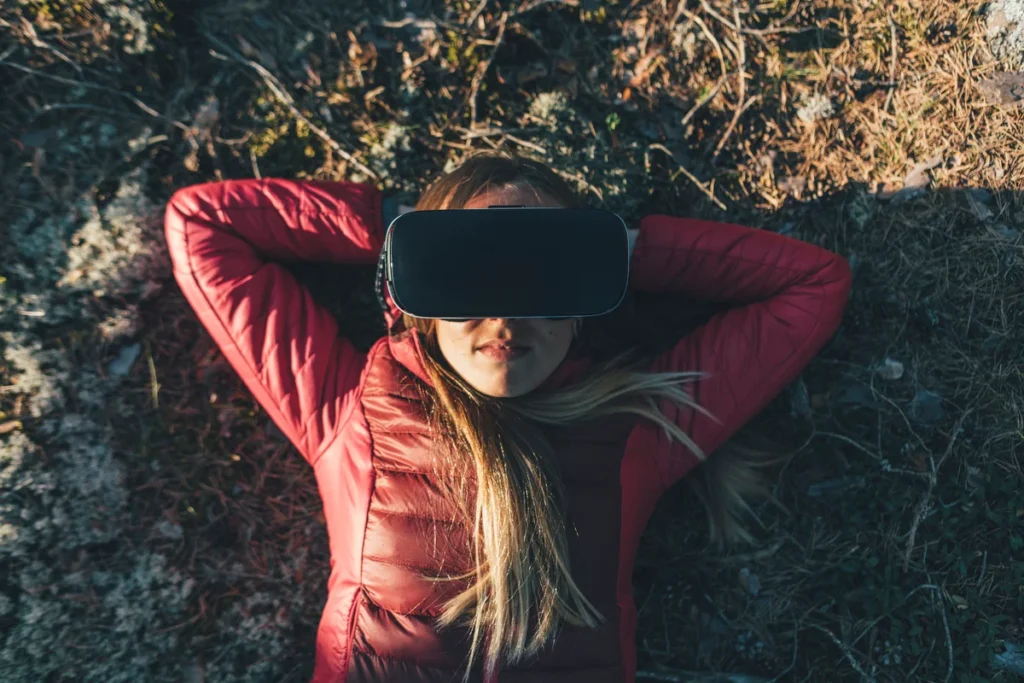
VR therapy immerses users in computer-generated environments designed to evoke calm, focus, or even joy. Using headsets and motion sensors, it creates a multisensory experience that feels real. Key applications include:
Nature Immersion: Transporting users to forests, beaches, or mountains.
Guided Meditation: Combining visuals with mindfulness exercises.
Exposure Therapy: Gradually confronting fears (e.g., public speaking) in a controlled setting.
A 2023 JAMA Psychiatry meta-analysis found Virtual Reality therapy reduced anxiety symptoms by 45% compared to traditional methods.
How VR Therapy Works
Urban environments are breeding grounds for stress due to:
Sensory Overload: Constant noise, lights, and crowds overwhelm the nervous system.
Nature Deficit: Limited access to green spaces deprives people of nature’s calming effects.
Work-Life Imbalance: Long commutes and high-pressure jobs exacerbate burnout.
A 2024 WHO report linked urban living to a 30% higher risk of anxiety disorders. VR therapy offers a scalable solution, especially in cities where traditional therapy is expensive or inaccessible.
The Science Behind Virtual Reality’s Calming Effects
1. Activating the Parasympathetic Nervous System
VR environments like forests or oceans trigger the “rest-and-digest” response, lowering cortisol and heart rate. A 2023 Nature Scientific Reports study found 10 minutes of VR nature immersion reduced stress biomarkers by 25%.
2. Distracting the Amygdala
The brain’s fear center, the amygdala, calms when immersed in VR. This “distraction effect” is particularly effective for anxiety, as shown in a 2024 Frontiers in Psychology trial.
3. Enhancing Mindfulness
VR-guided meditation improves focus by blocking external distractions. A 2023 Mindfulness journal study reported 60% better adherence to VR-based mindfulness programs versus audio-only apps.

Real-World Success Stories
A. Corporate Wellness Programs
Tech giant Google introduced Virtual Reality meditation pods in its offices, resulting in a 20% drop in employee stress levels (2024 internal report).
B. Urban Schools
A New York City pilot program equipped high schools with VR headsets for stress management. Students reported a 35% improvement in focus and emotional regulation.
C. Public Health Initiatives
Tokyo’s “VR Nature Prescription” program allows residents to “visit” national parks via VR kiosks. Over 10,000 users reported reduced anxiety and improved mood in 2023.
Types of Virtual Reality Therapy for Urban Stress
- Nature Simulations
- Examples: Forest walks, underwater scenes, mountain vistas.
- Benefits: Reduces cortisol, boosts mood, and improves focus.
- Guided Relaxation
- Examples: VR yoga, breathing exercises, progressive muscle relaxation.
- Benefits: Enhances mindfulness and reduces physical tension.
- Social Connection
- Examples: Virtual group therapy, multiplayer relaxation games.
- Benefits: Combats urban loneliness while fostering community.
- Exposure Therapy
- Examples: Simulated public speaking, crowded spaces.
- Benefits: Builds confidence and reduces phobias.
Challenges and Limitations

While promising, VR therapy isn’t without hurdles:
- Cost: High-quality VR headsets remain expensive (300–300–1,000).
- Motion Sickness: Some users experience nausea or dizziness.
- Accessibility: Elderly or disabled individuals may struggle with VR hardware.
- Overuse Risks: Prolonged VR use can blur reality or cause eye strain.
However, advancements like lightweight headsets and AI-driven personalization are addressing these issues.
The Future of VR Therapy in Cities

VR Wellness Pods: Public spaces like airports and malls could offer 10-minute VR escapes.
Telehealth Integration: Therapists could guide clients through VR sessions remotely.
AI Personalization: Algorithms could tailor VR environments to individual stress triggers.
Policy Support: Governments might subsidize VR therapy as part of urban mental health initiatives.
A 2024 McKinsey report predicts the VR therapy market will grow to $5 billion by 2030, driven by urban demand.
Frequently Asked Questions (FAQs)
Q: How long does it take to feel the effects of VR therapy?
A: Most users report feeling calmer within 10–15 minutes, but long-term benefits require regular use (2–3 sessions/week).
Q: Can VR therapy replace traditional therapy?
A: It’s a complement, not a replacement. VR works best alongside professional counseling.
Q: Is VR therapy safe for children?
A: Yes, with supervision. Studies show VR reduces anxiety in kids, but sessions should be limited to 20 minutes.
Q: What’s the best VR headset for therapy?
A: Meta Quest 3 and PICO 4 are popular for their affordability and ease of use.
Conclusion: A Digital Oasis in the Concrete Jungle
Urban life doesn’t have to mean chronic stress. Virtual reality therapy offers a scalable, immersive solution to the mental health challenges of city living. As Dr. Albert “Skip” Rizzo, a pioneer in VR therapy, puts it, “VR isn’t just about escaping reality—it’s about rewiring our brains to handle reality better.” Whether it’s a 10-minute forest walk or a guided meditation session, VR might just be the urban dweller’s new best friend.